Sourcing high-quality automotive parts from overseas markets offers enthusiasts a unique way to upgrade their vehicles. However, purchasing a JDM Transmission requires careful planning to ensure long-term reliability. Many buyers face significant challenges when evaluating components that have traveled thousands of miles across the ocean.
Verifying the mechanical integrity of your purchase before installation is essential for protecting your investment. A thorough inspection process helps you avoid costly mechanical failures that often stem from hidden wear or improper storage. By taking the time to assess these units properly, you ensure your vehicle remains roadworthy and performs at its peak.
Key Takeaways
- Prioritize visual inspections to identify signs of fluid leaks or damaged seals.
- Check the condition of the bell housing for any cracks or stress fractures.
- Rotate the input shaft manually to feel for smooth operation and internal resistance.
- Verify the production date and serial numbers to confirm the unit matches your specific vehicle needs.
- Consult with a professional mechanic if you notice unusual debris in the remaining gear oil.
Understanding the JDM Transmission Market
Many drivers often wonder if a JDM transmission is the right upgrade for their specific vehicle build. The market for these components has grown significantly as enthusiasts seek reliable, high-performance parts for their projects. Whether you are searching for jdm transmissions for sale near me or browsing online catalogs, understanding the supply chain is vital for making an informed purchase.
Why Enthusiasts Choose Japanese Domestic Market Parts
Performance builders frequently turn to these imports because of the rigorous maintenance standards in Japan. Vehicles there are often subject to strict inspection laws, which leads to components being pulled from cars that have been well-cared for. This history of consistent maintenance makes these units highly desirable for those looking to improve their vehicle’s drivetrain performance.
“The quality of imported drivetrain components often exceeds local alternatives due to the unique regulatory environment and maintenance culture in Japan.”
When you look at jdm transmissions for sale, you are often accessing parts that have been tested under demanding conditions. These units are engineered to handle the specific power outputs of Japanese engines, making them a perfect match for many custom builds. Enthusiasts value the precision engineering that goes into these gearboxes, ensuring a smoother shift and better power delivery.
Common Misconceptions About Used Imports
A frequent question among newcomers is, “are jdm transmissions good?” Some buyers worry that used parts are inherently worn out or unreliable. However, this is often a misunderstanding of how these parts are sourced and inspected before they reach the consumer.
Most reputable importers perform thorough checks to ensure the units are in excellent working order. By focusing on low-mileage imports from well-maintained vehicles, you can secure a JDM transmission that offers years of reliable service. Dispelling these myths allows builders to take advantage of high-quality components that might otherwise be overlooked.
Visual Inspection Techniques for a JDM Transmission
A careful look at the transmission housing is your first line of defense against buying a damaged unit. When you are browsing for a JDM transmission, the exterior condition often reveals how the part was treated during its previous service life. A systematic approach ensures you avoid units that have suffered from neglect or improper handling.
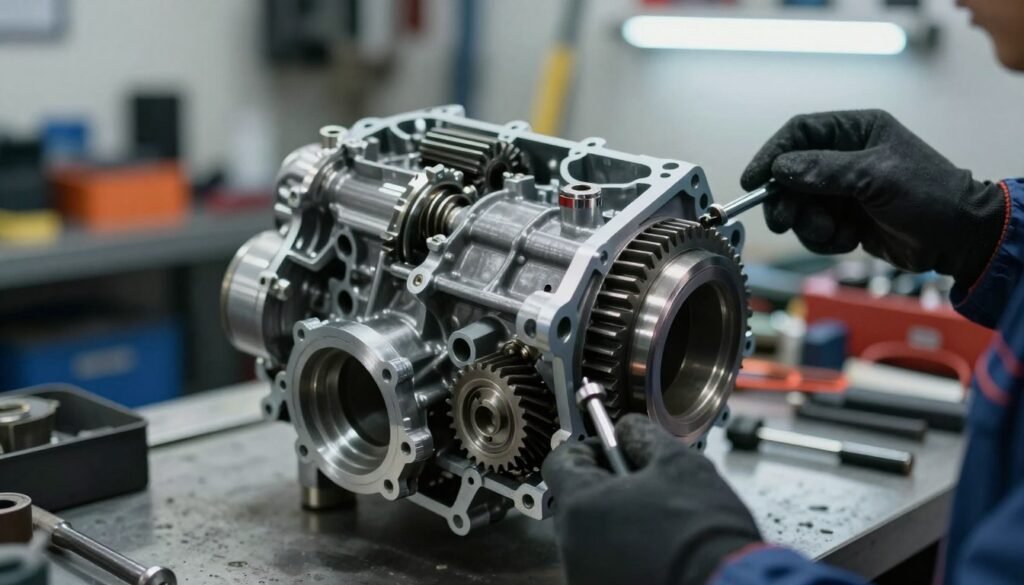
Checking the Exterior Housing for Damage
Begin your inspection by scanning the entire casing for structural compromises. Look closely for hairline cracks or suspicious weld marks that suggest the unit was involved in a significant collision. If you are searching for jdm transmissions near me, always request high-resolution photos of the bell housing and the main body to spot these defects early.
Identifying Signs of Previous Repair or Tampering
Professional mechanics often leave clues if they have opened a transmission for internal repairs. Check for mismatched bolts or excessive amounts of aftermarket liquid gasket protruding from the seams. Factory seals should look uniform and undisturbed, whereas signs of tampering may indicate a poorly executed rebuild.
Inspecting Mounting Points and Bolt Holes
The mounting points are critical areas that often take the brunt of stress during removal. Inspect every bolt hole for signs of stripped threads or metal fatigue. If you find damaged threads, it is a strong indicator that the unit was handled roughly or installed incorrectly in the past.
Looking for Evidence of Overheating
Heat is the primary enemy of any automatic or manual gearbox. Look for discolored metal, particularly around the torque converter area, which can turn a dark blue or purple hue when exposed to extreme temperatures. If you notice a burnt-smelling residue on the exterior casing, it is a clear warning sign that the unit has been pushed beyond its limits.
When you compare options for cheap transmissions for sale near me, use the following table to categorize the severity of the visual red flags you encounter during your search.
| Inspection Area | Minor Concern | Major Red Flag |
|---|---|---|
| Housing Surface | Surface oxidation | Visible cracks or welds |
| Mounting Points | Minor thread wear | Stripped or missing bolts |
| Seals and Gaskets | Light seepage | Excessive silicone sealant |
| Metal Coloration | Normal road grime | Heat-induced discoloration |
Evaluating Internal Mechanical Health
Internal mechanical integrity is the most critical factor when evaluating a used import for your vehicle. While a clean exterior is a good sign, the true performance of a JDM transmission depends on the condition of its gears, bearings, and hydraulic systems. You must look past the housing to understand the real potential of your next drivetrain component.
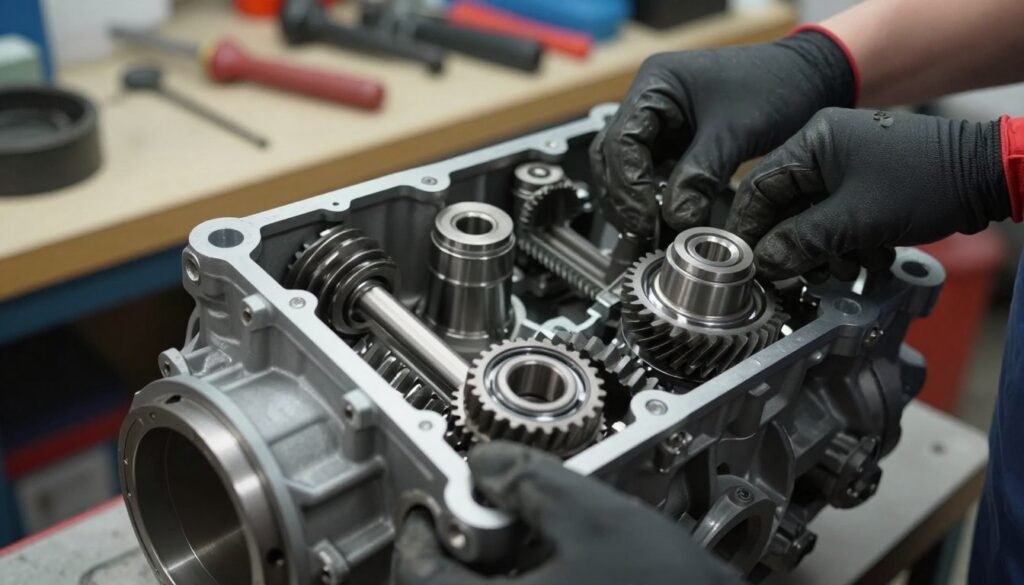
Manual Transmission Gear Engagement Tests
When inspecting a manual gearbox, the primary goal is to ensure that every gear selects cleanly without resistance. You should manually rotate the input shaft while moving the shift selector through all available gates. Smooth engagement is a sign of healthy internal components, while any grinding or sticking suggests significant wear.
If you are browsing for a b&j transmission for sale, always verify that the shifter moves freely. A unit that feels “notchy” or requires excessive force to engage a gear often indicates damaged shift forks or worn gear teeth. These issues can lead to costly repairs shortly after installation.
Automatic Transmission Torque Converter and Valve Body Checks
Automatic units require a different diagnostic approach, focusing on the torque converter and the valve body. The torque converter should be inspected for any signs of internal debris or loose components that might rattle when tilted. A healthy valve body is essential for maintaining proper line pressure and ensuring crisp, reliable shifts.
When considering a q50 transmission for sale, check the valve body for signs of varnish or burnt fluid residue. These deposits often point to overheating, which can compromise the solenoids and lead to erratic shifting behavior. Ensuring these parts are clean is vital for long-term reliability.
Assessing Input and Output Shaft Play
Excessive movement in the shafts is a major red flag for any transmission. You should grasp the input and output shafts firmly and attempt to move them in a radial direction. A minimal amount of movement is often acceptable, but any audible clicking or significant “wobble” indicates worn bearings or a damaged housing bore.
Testing Synchronizer Performance
Synchronizers are responsible for matching the speed of the gears during shifts. To test them, perform a quick shift test while rotating the input shaft at a steady pace. If the unit fails to lock into gear smoothly, the synchronizer rings are likely worn out. This is a common issue in high-mileage units that requires a full teardown to fix properly.
| Component | Healthy Sign | Failure Indicator |
|---|---|---|
| Input Shaft | Firm, no radial play | Audible clicking or wobble |
| Synchronizers | Smooth, silent engagement | Grinding or resistance |
| Valve Body | Clean, no varnish | Dark residue or burnt smell |
| Shift Selector | Precise, fluid movement | Sticking or loose feel |
Testing Fluid Quality and Seal Integrity
Fluid analysis remains the most reliable way to gauge the condition of jdm used transmissions. By examining the lubricant inside the unit, you can uncover hidden mechanical issues that are not visible from the outside. This simple step often separates a high-quality import from a worn-out component.
Analyzing Transmission Fluid Color and Odor
The color and smell of the fluid provide a clear window into the internal health of your JDM Transmission. Fresh fluid should appear translucent and reddish, while dark, opaque fluid often indicates overheating or extreme wear. Always trust your nose during this process, as a burnt or acrid smell is a definitive sign of friction material degradation.
If the fluid appears milky or cloudy, this suggests that coolant has mixed with the transmission oil. This contamination is a major red flag that could lead to catastrophic failure. Identifying these signs early helps you secure the best jdm transmission for your project.
Detecting Metal Shavings and Debris
Beyond color, you must check for physical contaminants suspended in the fluid. Small metallic particles or shavings are common indicators of internal gear or bearing degradation. Excessive debris suggests that the internal components have been grinding against each other, which significantly shortens the lifespan of the unit.
You can use a magnetic drain plug or a simple filter inspection to catch these particles. If you find a significant amount of metal, it is wise to reconsider the purchase. Investing time in this inspection ensures you are buying a reliable JDM Transmission rather than a future repair bill.
Inspecting Axle Seals and Gasket Condition
Once you are satisfied with the internal fluid, turn your attention to the exterior seals. The axle seals and pan gaskets are critical for maintaining pressure and preventing fluid loss. Hardened or cracked rubber around these areas is a common issue with older imports that have sat in storage for extended periods.
Replacing these seals before installation is a proactive measure that prevents messy leaks later. A dry, clean exterior is a hallmark of the best jdm transmission available on the market. Taking these precautions guarantees that your jdm used transmissions will perform reliably for years to come.
Verifying Compatibility and Mileage Claims
Before you finalize your purchase, you must verify that the unit is compatible with your specific chassis. A JDM Transmission is not a universal part, and even minor differences in production years can lead to significant electrical or mechanical mismatches.
Matching Transmission Codes to Your Vehicle
Every manufacturer uses specific serial numbers to identify gear ratios and sensor configurations. When searching for honda transmissions for sale near me, always cross-reference the stamped code on the transmission housing with your vehicle’s factory service manual.
These codes indicate whether the unit is designed for a specific engine displacement or drivetrain layout. Ignoring these identifiers often results in a transmission that physically bolts on but fails to communicate with your car’s electronic control unit.
How to Interpret Japanese Service Records
Authentic Japanese service records provide a window into the maintenance history of your imported part. If you are looking for a jdm transmission near me, ask the seller for documentation that shows regular fluid changes and inspections.
These records are typically written in Japanese, so you may need to use translation tools to identify key dates and mileage markers. Consistent maintenance is a strong indicator that the internal components remain in good working order.
The Reality of Low-Mileage JDM Engines and Transmissions
Many imports are marketed as low-mileage units, but it is important to maintain a healthy level of skepticism. In Japan, strict vehicle inspection laws often lead owners to replace parts long before they reach the end of their service life.
While many of these units have genuinely low usage, always prioritize physical condition over advertised mileage claims. A well-maintained high-mileage unit is often a better investment than a neglected low-mileage one.
Best Practices for Sourcing Reliable Imports
Securing a high-quality JDM Transmission requires more than just luck; it demands a strategic approach to vendor selection. While the inspection process is vital, the integrity of your supplier often dictates the long-term success of your build. Choosing a partner who prioritizes quality control can save you significant time and money.
Vetting a Reputable JDM Transmission Shop
When you begin your search, look for a jdm transmission shop that maintains a transparent history of their inventory. A professional supplier should be able to provide clear documentation regarding the origin of their parts. Always check online reviews and community forums to see how other enthusiasts rate their experiences with specific importers.
Reliable vendors often provide photos of the actual unit rather than stock images. This level of transparency allows you to verify the condition of the housing and sensors before the item ever leaves their warehouse. Consistency in communication is a hallmark of a trustworthy business.
Questions to Ask Before Purchasing
Before finalizing your order for jdm transmission imports, you must ask the right technical questions. Do not hesitate to inquire about the specific testing procedures the shop performs on their units. A reputable seller will be happy to explain their internal quality assurance protocols.
- What is the approximate mileage of the donor vehicle?
- Was the unit compression tested or bench tested before removal?
- Are all sensors and solenoids included with the assembly?
- Does the shop provide a video of the engine or transmission running?
“The quality of your build is only as good as the components you source; never compromise on the reputation of your supplier.”
Understanding Warranty Terms for Used Transmissions
Understanding the specific warranty terms offered by a JDM Transmission provider provides peace of mind and financial protection. Most reputable shops offer a limited parts-only warranty, but the duration and coverage can vary significantly. Always read the fine print to see if the warranty covers labor or only the replacement of the unit.
| Feature | Reputable Shop | Unverified Seller |
|---|---|---|
| Testing Records | Detailed Logs | None |
| Warranty Period | 30-90 Days | None |
| Customer Support | Technical Staff | Sales Only |
| Return Policy | Clear Terms | Final Sale |
By focusing on these best practices, you ensure that your investment in jdm transmission imports remains secure. Taking the time to vet your supplier is the most effective way to avoid common pitfalls in the used parts market.
Conclusion
Selecting a high-quality import requires a sharp eye and a methodical approach. You now possess the knowledge to evaluate mechanical health and verify the history of your next component.
Many enthusiasts search for used transmissions for sale in my area to avoid shipping costs and long wait times. Local shops often provide a chance to inspect the unit in person before you commit to a purchase.
You might seek a specific part like a w58 transmission for sale near me to complete a classic Toyota build. Applying these inspection standards ensures that your investment delivers the performance you expect on the road.
Take your time during the vetting process to protect your vehicle and your budget. Reliable parts remain the foundation of any successful automotive project. Reach out to trusted suppliers today to start your search with confidence.